Online Fault Reporting
Customers describe the vehicle issue through a structured online form, providing details for assessment.
Report a fault online and receive confirmation with an estimated arrival time for engine starting, wheel replacement, and minor on-site service. Provision of assistance depends on location, condition, and other factors.
Report a Fault
Breakdowns can happen far from home or in awkward locations, where arranging assistance may feel unclear. Roadside Rescue operates as an informational framework for requesting mobile help. You describe the issue online, receive a confirmation, and are given an estimated arrival window. The approach focuses on a structured request process. Actual timings and outcomes depend on external factors, including location, traffic, and weather conditions. This framework is intended for drivers who prefer to organise assistance in a clear, step-by-step manner.
Roadside Rescue is a UK-based mobile assistance provider operating across the country. The service addresses common breakdown situations through a structured method: engine starting, wheel replacement, and minor on-site repairs are carried out by technicians dispatched to the vehicle's location. Drivers initiate support by describing the fault through an online reporting process, which allows the situation to be assessed before a visit is arranged. A confirmation and an estimated arrival time are then provided. Each request is handled according to the described fault and current conditions, so the process is presented as a framework for organising assistance rather than a guarantee of specific outcomes. The online system records the details submitted and coordinates the next steps.

Customers describe the vehicle issue through a structured online form, providing details for assessment.
After submission, the request is reviewed and a confirmation is issued with relevant reference information.
An estimated arrival time is provided, based on current workload and general location data.
Service availability and timing may vary due to external factors such as weather, traffic, and demand.
The online reporting process was straightforward, and I received a clear confirmation with an estimated arrival time. The communication helped me plan my next steps.
I appreciated the clarity of the arrival time updates. While experiences vary, the process itself was transparent and easy to follow from start to finish.
Describing the issue online was simple, and the confirmation came quickly. The estimated arrival time was communicated clearly, which I found helpful in an uncertain situation.
Drivers in the UK may face various breakdown situations during journeys, from a vehicle failing to start to a flat tyre or minor faults developing away from home. Requesting mobile assistance typically begins online: the driver describes the issue through a digital form, then receives confirmation along with an estimated arrival time where available. Because circumstances differ from case to case, arrival timing and what can be done at the roadside depend on location, conditions and the nature of the fault.
Roadside Rescue follows a structured process for on-site assistance covering engine starting, wheel replacement and minor repairs. A driver first describes the fault through the online form, including vehicle details and location. The request is then reviewed, and confirmation is sent along with an estimated arrival time where available. Work on site begins after the technician assesses the situation. Completion and timing can be influenced by traffic, weather, parts availability and the nature of the fault. The approach is intended to provide a clear, documented framework for each call-out without assuming specific outcomes.

Describe the fault through our online form, providing details about your vehicle and location.
Receive confirmation that your request has been logged and is being processed by our team.
Get an estimated arrival time based on current conditions, without any guarantee of specific timing.
Remain with your vehicle and await the arrival of our technician, who will assess the situation on-site.
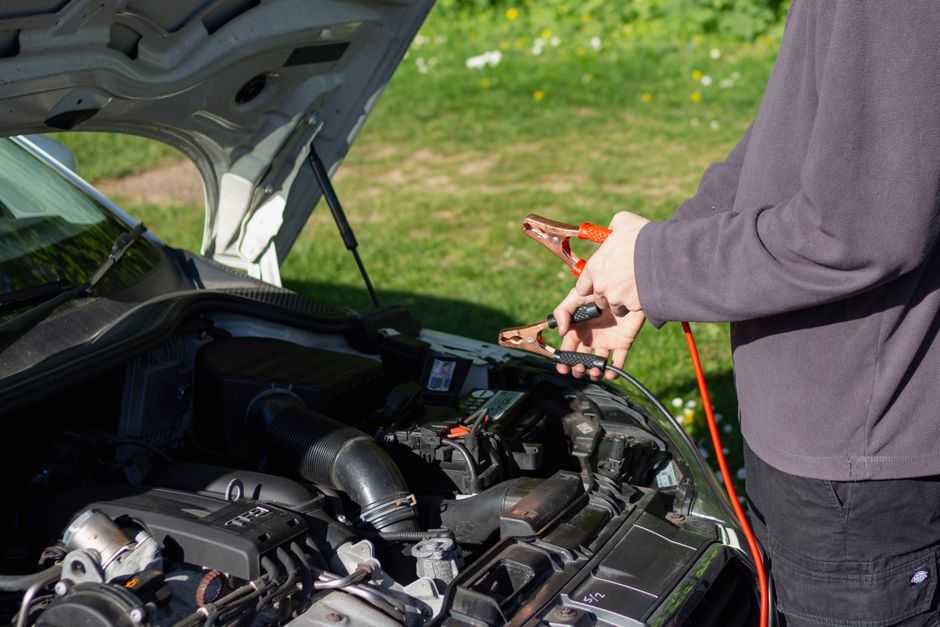
On-site assistance services generally fall into several categories depending on the nature of the issue reported. Engine starting support typically addresses situations where a vehicle will not start, often involving battery-related diagnosis or connection of external power sources. Wheel replacement covers the procedure of substituting a damaged or flat tyre with a spare or road-ready unit, where a suitable replacement is available on board. Minor on-site repairs refer to small-scale mechanical or electrical adjustments that can be performed safely at the location without substantial dismantling. Conditions under which such requests are made commonly include vehicles immobilised in public areas, on roadways, or in car parks. Drivers describe the fault online before arrival. Whether any particular method applies depends on the vehicle, tools, location, and other factors assessed at the scene.

Roadside Rescue operates a structured process for managing assistance requests across the United Kingdom. When a breakdown occurs, clients use the online reporting interface to describe the issue and their location. The system then generates a request, and a confirmation mechanism verifies the details before proceeding. The arrival time is subsequently communicated, reflecting current scheduling and resource allocation. This framework is designed to support transparency and coordination after a breakdown, and provides a way for clients to receive information after a request is logged.

Submit details of the issue through the online form for assessment without phone calls.
Receive structured confirmation once details are logged, subject to validation of information.
Get an estimated arrival time after readiness and traffic conditions are considered.
Arrival times and service feasibility depend on traffic, weather, and other external factors.




Clear communication in an online request helps support a more accurate understanding of the situation away from the motorist. Structured fields for symptoms such as a refused starter, a deflated tyre or other visible damage can create a shared reference for the specialist. After submitting the description, the process provides a confirmation response together with estimator arrival time information. The aim is transparency: informational prompts make no assumptions on your behalf, and timing remains reliant on traffic, location, weather and workload across the network.

Roadside Rescue facilitates on-site assistance for common vehicle issues through an online request system. Drivers describe the issue via the online platform and receive a confirmation with an estimated arrival time. The service covers jump starts, wheel changes, and minor repairs at the breakdown location. The methodology follows a structured process: request submission, issue assessment, and dispatch of a technician. Outcomes depend on factors such as location, traffic, and vehicle condition. Roadside Rescue does not guarantee specific results but provides a transparent framework for obtaining help. This approach aims to offer a clear, process-oriented option for drivers facing unexpected vehicle problems.
You describe the problem through the online form, providing details about the vehicle and location.
Upon submission, you receive a confirmation that your request has been logged and is being reviewed.
An estimated arrival time is then communicated, based on current conditions and availability.
Any changes to the estimate are communicated as new information becomes available, keeping you informed.
Describe your vehicle issue online and submit a request for assistance. A confirmation and estimated arrival time will be provided. The map shows our general service area.